Explosion Consultancy & Protection Systems
Combustible dust explosions happen far more often than you might think. And for every reported incident, countless others were prevented because of people making the right decision to address the hazard. We here at SSI are here to help you avoid the worst-case scenario by offering comprehensive explosion safety solutions within NFPA standards.
How Does Dust Explode?
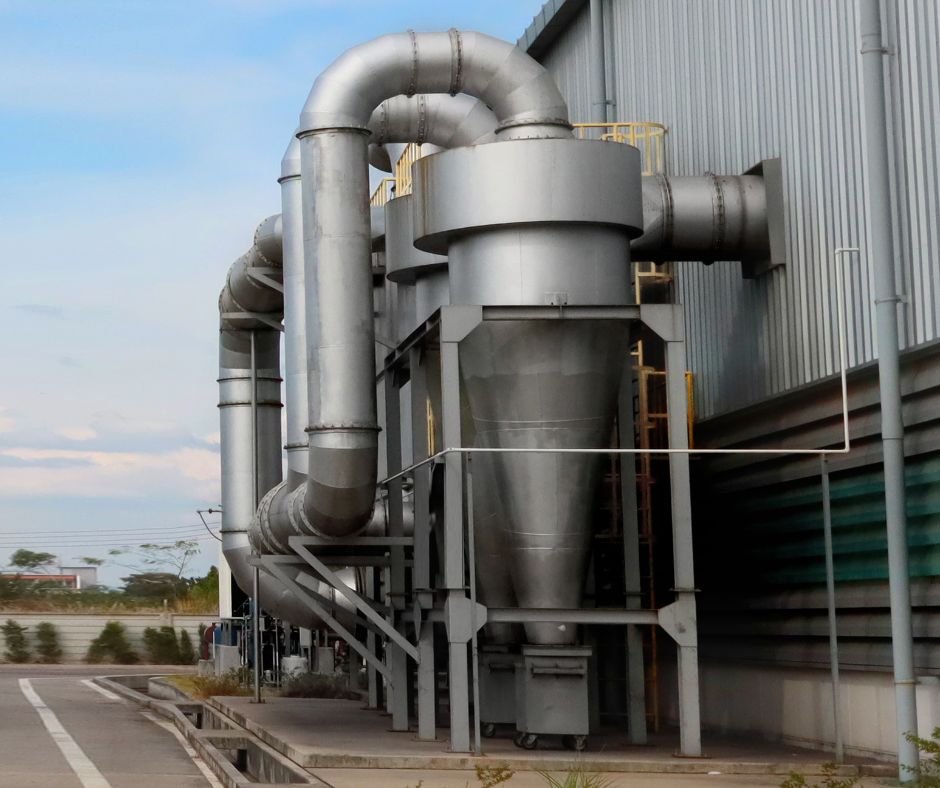
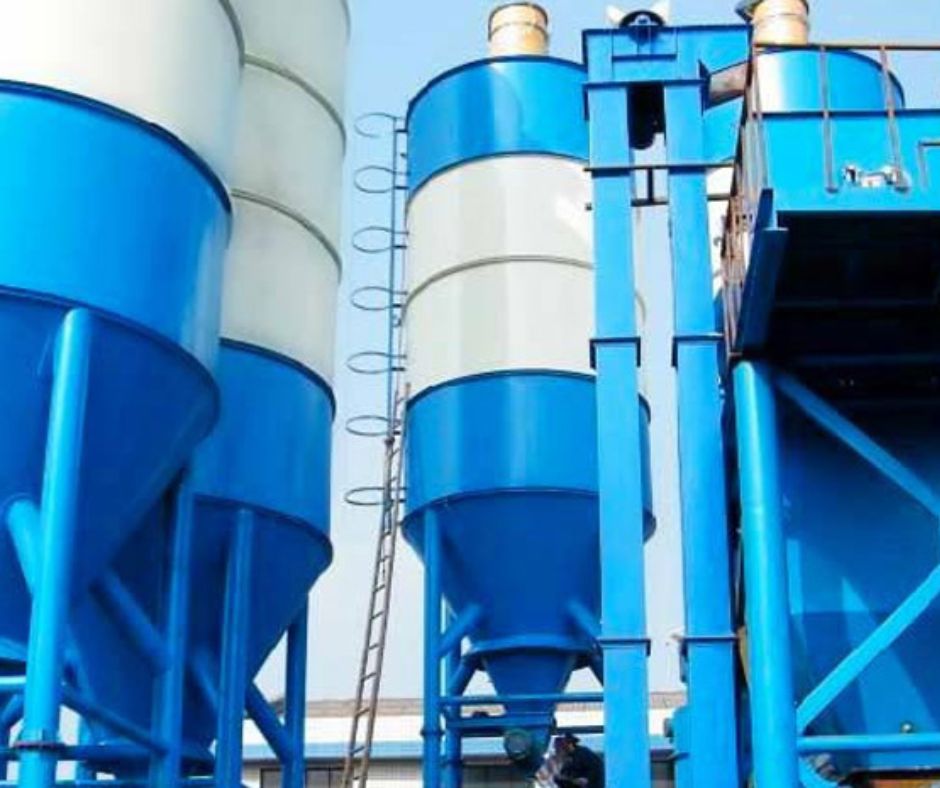
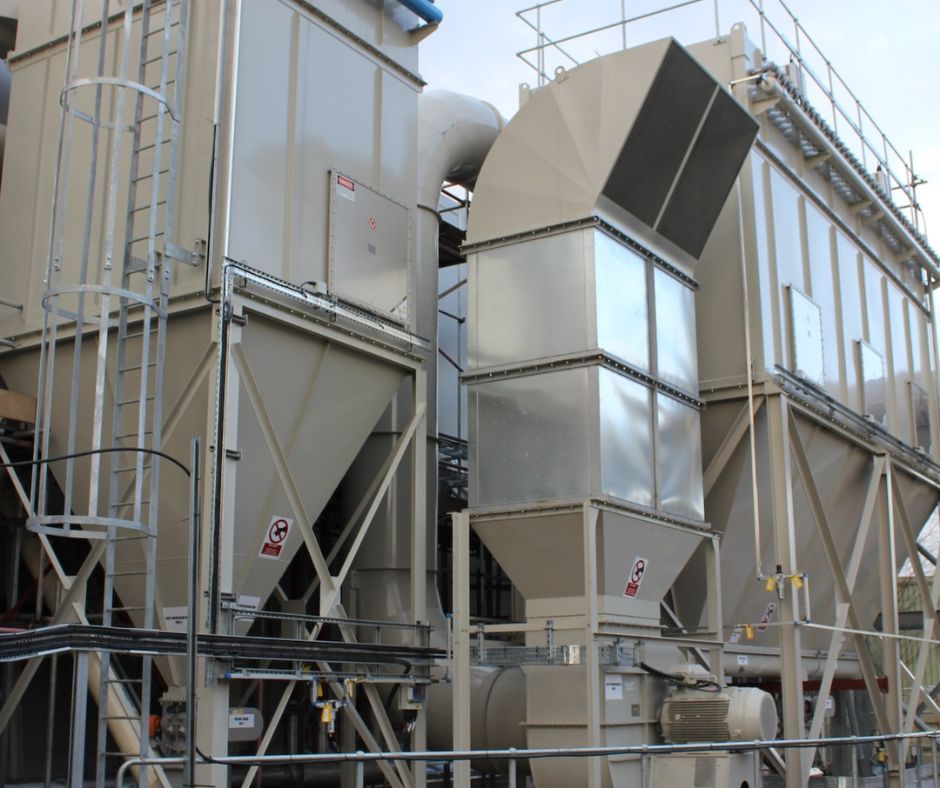
The few elements required for a dust explosion to occur might surprise you. All it takes is a fuel (most dusts including sugar, flour, cornstarch, coal and aluminum) to be suspended in a cloud within confined industrial equipment such as a dust collector, silo, mill or conveyor. If an ignition source meets the enclosed dust cloud, a deflagration will likely occur.
The few elements required for a dust explosion to occur might surprise you. All it takes is a fuel (most dusts including sugar, flour, cornstarch, coal and aluminum) to be suspended in a cloud within confined industrial equipment such as a dust collector, silo, mill or conveyor. If an ignition source meets the enclosed dust cloud, a deflagration will likely occur.
The primary deflagration will challenge the structural integrity of the vessel and likely fracture it, resulting in an explosion. Additional fuel may be found outside of the process but within the space, with dust resting on light fixtures, the floor or even in the air. These secondary explosions have led to some of the most devastating recorded events.
What Should You Do about a Combustible Dust Problem?
The first thing to know if that SSI is here for you to answer any of your questions. We will then likely suggest the following steps required by NFPA if they have not yet been performed:
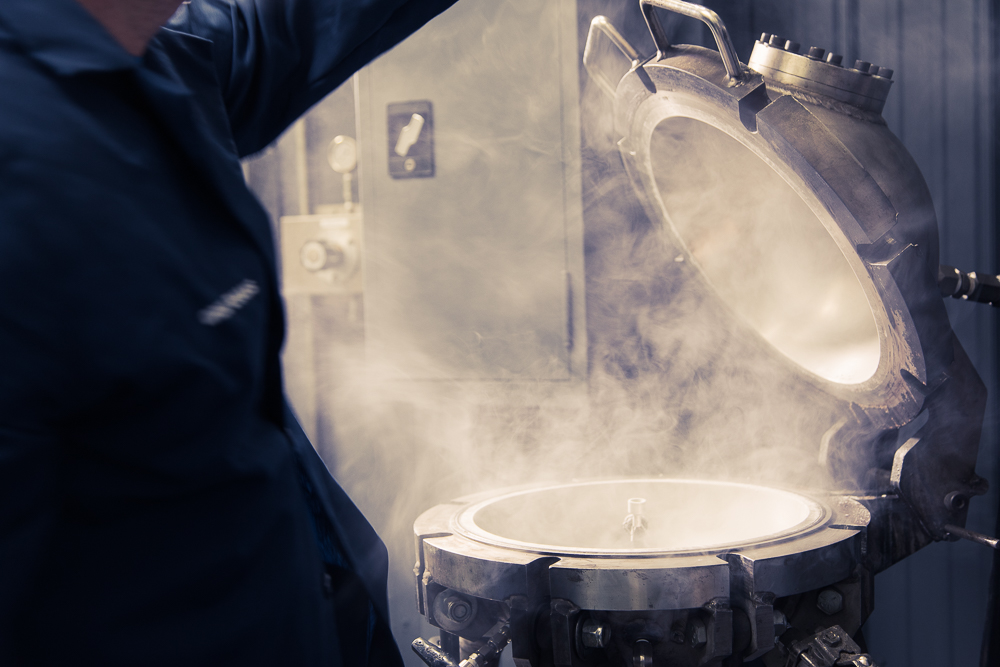
Dust Testing is often necessary to determine whether the dust sample(s) from your process is indeed combustible, and if so, to also determine its severity if ignition occurs. This data is critical to the design of a reliable explosion protection system if these solutions are required.
A series of additional dust tests may be performed to understand the variables that lead to ignition and identify process improvements to prevent this from happening. For example, a Minimum Ignition Temperature (Layer) test determines the lowest surface temperature required for a resting dust to begin to smolder. This data may be used to ensure surfaces where dust may lay are kept under the dust’s MIT value.
Risk Analysis with a Facility Walkthrough
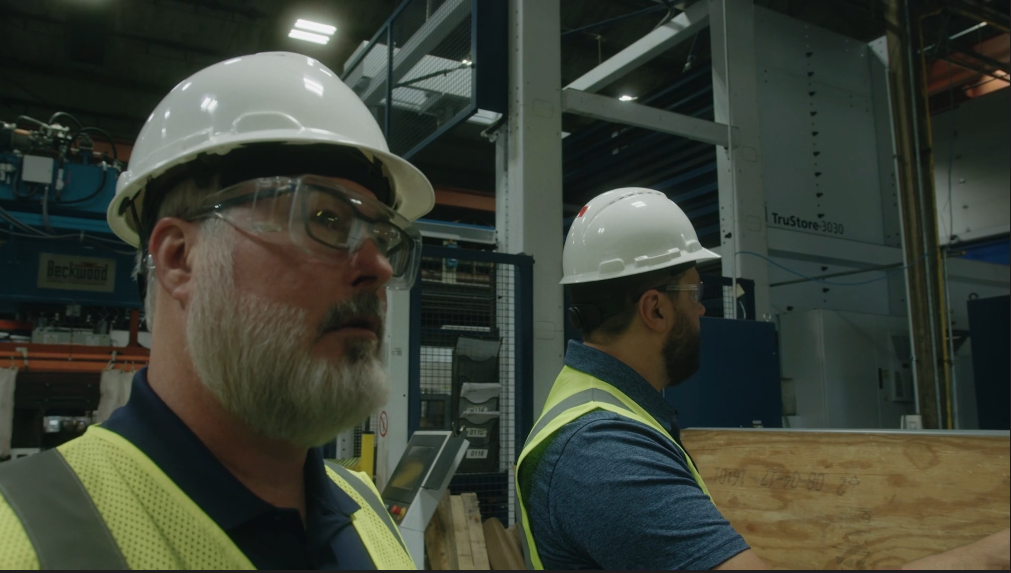
A Risk Assessment, or a Dust Hazard Analysis (DHA), is a comprehensive review of your industrial process where dust hazards may exist. Your consultant will determine the areas of the process requiring the most attention based on the likelihood and severity of a deflagration, and will also determine the areas of the process that are safe from dust hazards and may be ignored.
We will also identify cost-effective or even free opportunities in which you can reduce the risk of combustion. Improvements to ignition control, housekeeping, process safety measures and more will all be explored. Finally, you can trust SSI to only recommend explosion protection systems when required to ensure safety.
What Types of Explosion Protection Might You Need?
SSI is a member of the Fike family, so you can trust that you are receiving the most reliable explosion protection solutions available. When determining the right system for your unique process, the SSI team will execute the following design progression:
Explosion Vents are activated by the deflagration and open to redirect pressure and flames to a safe location. Explosion venting is the most cost-effective form of explosion protection and the reason why SSI first determines if venting is possible.
Explosion Vents with Ducts may be recommended for indoor processes that are close to exterior walls in which the deflagration may be redirected outside through a duct. “Free venting” for indoor processes is often not possible, but vent ducts provide design flexibility in many situations.
Flameless Explosion Vents include a flame filter which suppresses flames and makes indoor explosion venting possible. Fike offers multiple flameless venting options with varying “venting efficiencies” to ensure that both the safest and most cost-effective solution is available to meet the demands of the job.
Explosion Suppression is an “active” form of explosion protection that is initiated electronically from a pressure detector and explosion controller. Within milliseconds of detection, the chemical suppression bottles discharge to suppress pressure and flames, and drastically decrease the severity of propagation into connected equipment, which leads to…
Explosion Isolation that may include “passive” mechanical isolation valves or “active” chemical isolation systems or mechanical valves. Isolation systems are frequently required on dirty air inlets, clean air outlets, dedusting lines, product outlets and any other ducts or pipes feeding into other areas of the process; otherwise, the deflagration continues building strength and creates a much more devastating explosion.
Identify Your Protection Methods
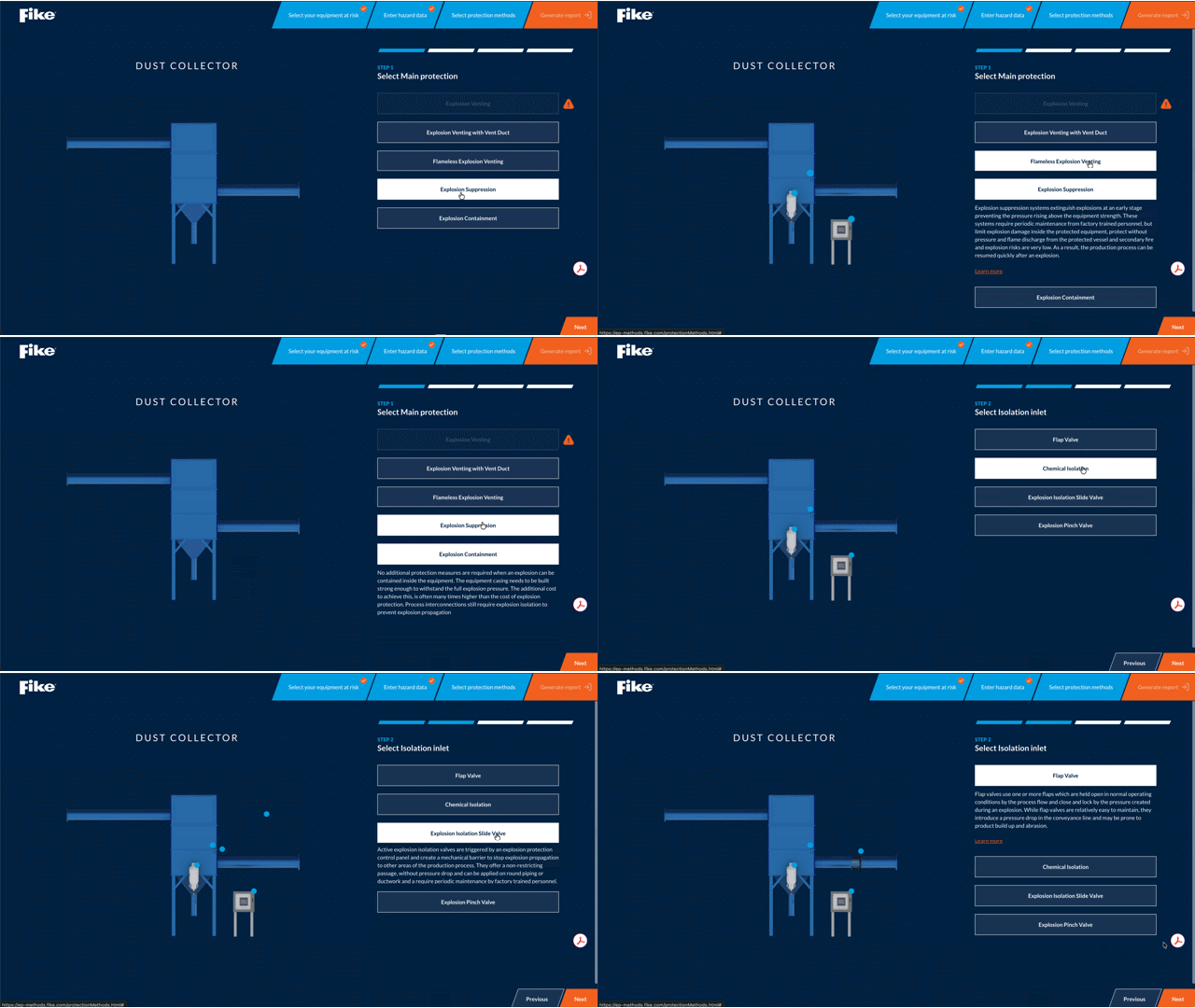
Our easy-to-use Explosion Protection Methods Tool will indicate the possible protection strategies based on your unique application.
Global Field Service Network
We are proud to have the largest network of explosion protection technicians across the world to ensure quick and reliable service regardless of the location. You can count on us for:
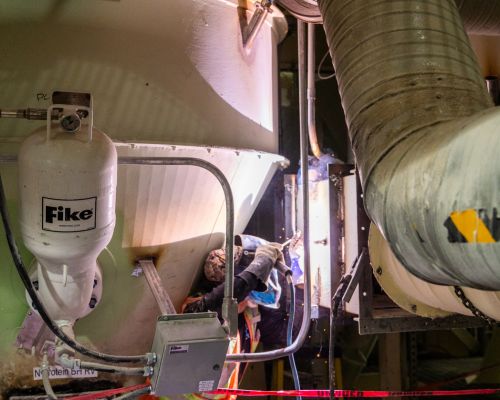
Installation
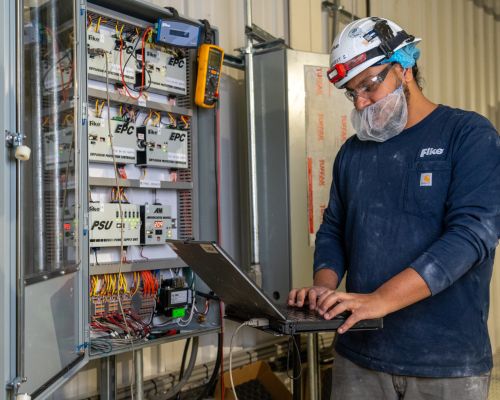
Commissioning
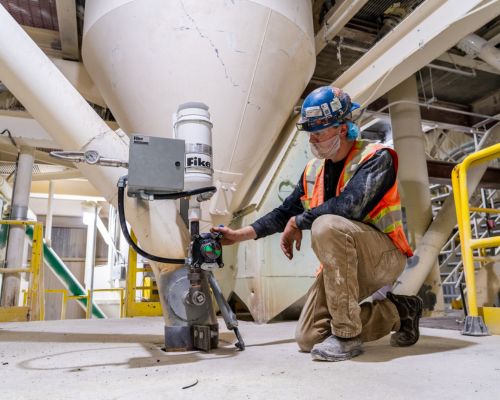
Maintenance
What are Common Applications that Require Explosion Protection?
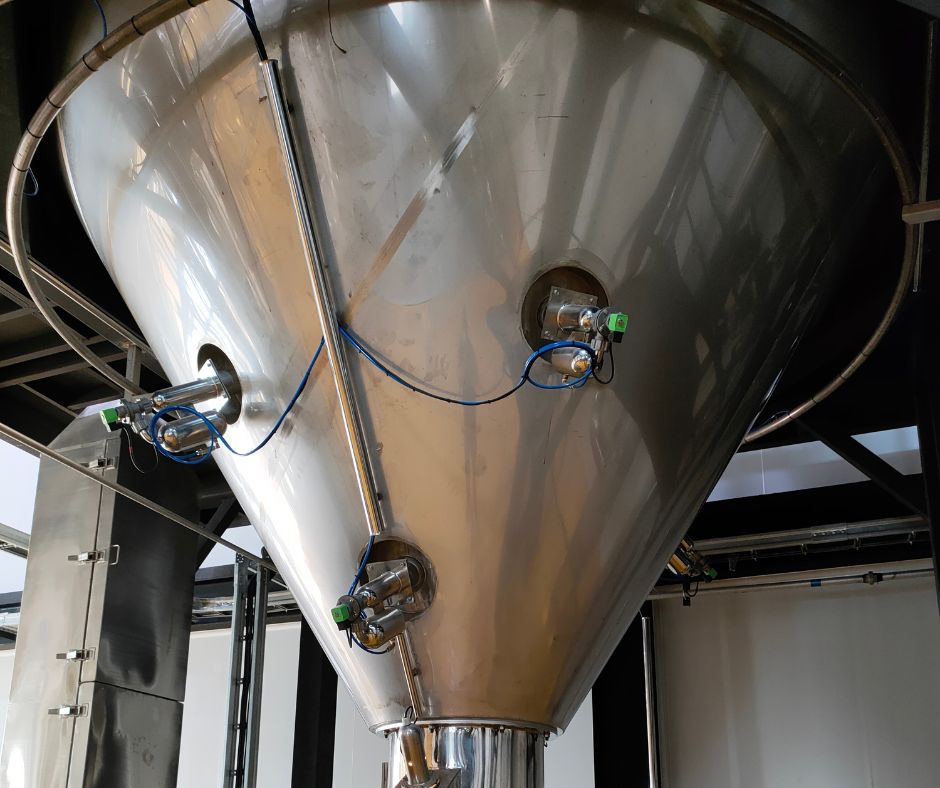
SSI can provide safety from explosions for nearly any type of process and equipment, but the following are often the most common areas where deflagrations may occur: