
Home > Fire Suppression Solutions > Automatic Cannon Fire Suppression Systems
Automatic Cannon Fire Suppression Systems
Robotic fire monitors that detect heat, aim automatically, and deliver high volume water or foam exactly where a fire starts.
Automatic cannon fire suppression systems, sometimes called robotic fire monitors or fire water cannons, provide targeted protection for large, high hazard areas where traditional sprinklers or clean agent systems struggle. Suppression Systems Inc. (SSI) designs and installs these systems for waste and recycling facilities, transfer stations, industrial plants, and other demanding environments in Pennsylvania, New Jersey, New York, Delaware, and Maryland.
To explore related options, see SSI information on industrial explosion protection, carbon dioxide fire suppression, Fike DuraQuench Pro water mist, and Fike MicroMist self contained water mist.
At a Glance
- Automated targeting, thermal and optical detection locate the fire and drive the monitor to the correct position.
- High flow discharge, delivers large volumes of water or foam directly into the burning material.
- 24/7 coverage, monitors hazards continuously, even during off hours when staff are limited.
- Deep penetration, reaches into waste piles, bunkers, and difficult to access areas.
- Lower water use than deluge, focuses flow on the fire instead of the entire building.
- Designed, installed, and serviced by SSI, for critical facilities across the Mid Atlantic and Northeast.
Request an automatic cannon fire suppression consultation or call 800-360-0687.
System Components and Visual Overview
Automatic cannon systems bring advanced detection and a robotic nozzle together into a single, integrated fire protection solution. Below are example components commonly used in this technology class.
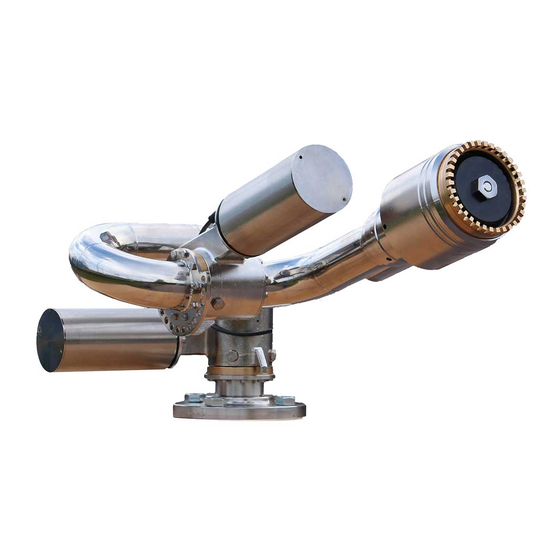
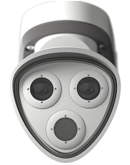
Video Demonstration
The video demonstration below shows how an automatic monitor can locate a fire, aim the monitor, and apply water with precision to knock down the fire quickly.
Why Waste and Recycling Facilities Need Automatic Fire Monitors
Waste and recycling operations face a growing fire risk, especially from hidden lithium ion batteries and mixed combustible materials.
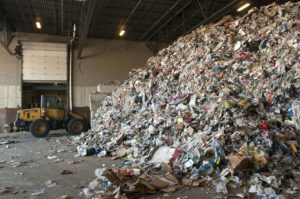
Common challenges in waste and recycling environments include:
- Fires that begin deep inside piles of mixed material where heat builds slowly before visible flames appear.
- Frequent movement of waste by loaders and conveyors that can expose hidden hot spots suddenly.
- High ceilings and open areas where conventional sprinkler patterns may not reach the critical fuel.
- Dust, smoke, and changing pile heights that make manual hose streams difficult and hazardous for personnel.
Automatic cannon fire suppression systems are engineered to address these realities by monitoring the area continuously, recognizing abnormal heat signatures, and directing water or foam to a precise point on the pile, often before the fire grows large enough to threaten the building.
How Automatic Cannon Fire Suppression Works
Step 1, Advanced Detection and Alarm
Automatic cannon systems use advanced detection such as infrared cameras, flame detectors, or other specialty sensors to watch the hazard zone. These devices look for rapid temperature changes, flame patterns, or other indicators that a fire is starting, not just smoke at the ceiling. When a detector identifies a potential fire, the system processes the sensor data to determine the location of the hot spot within the field of view.
Step 2, Robotic Monitor Targeting
The automatic cannon is a motorized fire monitor that can rotate horizontally and vertically to cover a wide area. Once the detection system calculates the target coordinates, it sends commands to the monitor so it can aim at the specific point where the fire has started. Monitors are typically mounted so they can see and reach the entire tipping floor, bunker, or process area. Operators can also switch to manual control using a joystick or control station when needed.
Step 3, High Flow Water or Foam Discharge
After a brief verification and alarm period, the monitor opens and delivers a high energy stream of water or foam directly into the burning material. This targeted discharge provides:
- Rapid cooling of the burning fuel.
- Penetration into deep, compacted piles.
- Containment of embers and burning debris that might otherwise spread.
Because the stream is focused on the fire, the system can reduce overall water use and limit collateral damage compared to broad deluge systems that spray an entire area at once.
Step 4, Ongoing Monitoring and Automatic Shutoff
While the cannon is flowing, the detection system continues to monitor the target area. When sensors confirm that temperature and flame signatures have returned to normal, the system can close the nozzle automatically, alert operators, and log the event for later review. This approach helps conserve water, preserves foam concentrate, and supports faster cleanup and return to normal operations after an incident.
Typical Applications for Automatic Fire Monitors
Automatic cannon fire suppression is designed for large, open, or hard to reach hazards where conventional suppression systems do not perform well on their own.
- Municipal and private recycling facilities, material recovery facilities, tipping floors, and sort lines handling mixed solid waste.
- Waste to energy plants and biomass operations, bunkers and storage areas for combustible fuel streams.
- Transfer stations and waste bunkers, where frequent equipment movement and changing pile profiles increase risk.
- Heavy industrial plants, including bulk solids handling, open storage piles, and large conveyor systems.
- High value industrial facilities, hangars or large bays where targeted monitors can complement sprinklers or foam systems.
In many facilities, automatic monitors are part of a broader strategy that also includes advanced fire detection, CO2 systems for enclosed process equipment, and specialty water suppression systems.
System Integration, Life Safety, and Controls
Because automatic cannons are powerful systems, careful integration with life safety, operations, and code requirements is essential.
- Pre discharge alarms, audible and visual signaling warn personnel that the system is about to operate.
- Equipment shutdown, conveyors, shredders, and other process equipment can be shut down automatically when the system activates.
- Detection and control panels, releasing panels are designed to support relevant fire alarm and signaling requirements.
- Remote operator control, operators can view camera feeds, override automatic aiming, and operate the monitor from a safe location.
- Event recording, system activity and detector data can be logged to support investigations and continuous improvement.
SSI coordinates automatic monitor designs with local fire officials, insurance representatives, and plant safety teams so the system integrates smoothly with existing protection and emergency response procedures.
Downloads and Design Resources
The resources below support engineers, safety managers, and facility owners evaluating automatic cannon fire suppression for waste and industrial applications.
- Fike Fire Monitors Waste Management Application Guide (SSI Version)
- SSI Fire Suppression Solutions Overview
- Industrial Explosion Protection and Venting
- Advanced Fire Detection and Flame Detection Systems
- Contact Suppression Systems Inc. for Project Support
External Guidance on Waste and Battery Fire Risks
Automatic cannon fire suppression is part of a larger risk management strategy for waste and recycling facilities. Industry guidance and research on lithium ion battery hazards and waste handling is available from several organizations:
- National Fire Protection Association (NFPA)
- NFPA resources on lithium ion battery safety
- EPA guidance on used lithium ion batteries
- Solid Waste Association of North America (SWANA)
- Occupational Safety and Health Administration (OSHA)
- United States Fire Administration (USFA)
These resources can help facility owners understand broader industry trends, incident history, and best practices while SSI focuses on engineering practical, code compliant suppression systems.
Frequently Asked Questions
Is an automatic cannon system a replacement for sprinklers
In many cases, automatic monitors work alongside required sprinkler or hydrant systems, not instead of them. Code officials and insurers may still require conventional systems for building protection while automatic cannons focus on high risk process areas or waste piles. SSI works with the authority having jurisdiction and your insurance partners to develop a design that meets both code and operational goals.
Can automatic fire monitors operate when no staff are on site
Yes. One of the reasons many waste and recycling facilities adopt this technology is the ability to detect and suppress fires during nights, weekends, or other periods with limited staffing. Systems are designed with alarms, event logs, and remote notification so responsible personnel know when an event occurs.
Do automatic cannons use water, foam, or both
Systems can be configured for water only or for foam and water depending on the hazard. For facilities that handle flammable liquids or certain industrial processes, foam can improve performance by helping blanket the surface and suppress vapors. SSI can help determine the correct agent and concentrate based on your specific risk profile.
How does an automatic monitor compare to clean agent or CO2 systems
Clean agent and CO2 systems are ideal for sealed enclosures such as control rooms, MCC rooms, or machinery spaces, where gas concentration can be controlled. Automatic monitors are intended for large, open, or partially open areas where gas based agents would dissipate too quickly. Many sites use both, applying gas for enclosed spaces and monitors for open process or waste areas.
How do I know if my facility is a good candidate for automatic cannon fire suppression
Facilities with high fire loads, frequent waste handling, limited staffing, or a history of near misses and small fires often benefit from an automatic monitor evaluation. SSI can review your floor plans, site conditions, and incident history to recommend whether a robotic fire monitor, water mist system, CO2 system, or a combination of technologies is the best fit.
Talk with an SSI engineer about automatic cannon fire protection
Service Area and Support From SSI
Suppression Systems Inc. provides full lifecycle support for automatic cannon fire suppression systems.
- Engineering and design, hazard analysis, hydraulic calculations, and detection layout.
- Turnkey installation, including monitors, piping, detection, and releasing controls.
- Inspection, testing, and maintenance, ongoing service to meet code, insurance, and manufacturer requirements.
- Emergency response and repair, support after a fire event or accidental discharge.
SSI serves waste management, recycling, industrial, and energy facilities across Pennsylvania, New Jersey, New York, Delaware, and Maryland. To schedule a review of your site or request a budget estimate, contact our team.
Request an automatic cannon fire suppression consultation
Related Solutions
- Fire Suppression Solutions
- Clean Agent and Special Hazard Solutions
- Fire Alarms and Detection
- VESDA Very Early Smoke Detection
- Explosion Suppression Systems

SSI designs and integrates supplier technologies when they are the best fit for your hazard, then supports the full lifecycle of the system through engineering, installation, and service.