

Fire Suppression Systems for Special Hazards
Protect high value assets, sensitive electronics, and critical operations with fire suppression systems engineered for clean extinguishment, minimal downtime, and code compliance.
Suppression Systems, Inc. (SSI) designs, installs, and services fire suppression solutions for industrial facilities, mission critical environments, and special hazard risks across Pennsylvania and the East Coast. If water is not an option, or if your risk profile demands faster control and cleaner cleanup than sprinklers, our engineering team will help you select the right technology and design it to the applicable standards.
At a Glance
- Special hazard fire suppression for high value equipment, processes, and contents
- Clean agents and inert gases for residue free protection of electronics and enclosed hazards
- CO2 systems for specific industrial hazards where fast knockdown is required
- Water mist and hybrid technologies that reduce water usage while delivering strong cooling performance
- Automatic cannons and industrial systems for harsh environments and high challenge hazards
- Turnkey lifecycle support from design to installation to inspection, testing, and maintenance
Need help choosing the right system? Request a site evaluation or call 1-800-360-0687.
Clean Agent Fire Suppression, Residue Free Protection
Clean agent systems are designed to suppress fire without leaving residue, which helps reduce cleanup time and supports faster return to operations. These systems are commonly selected for data centers, control rooms, electrical spaces, archives, and other environments where water damage or residue is unacceptable.
SF-1230 (FK-5-1-12) Fluoroketone Clean Agent
For facilities planning long term fire protection, fluoroketone clean agent systems are a strong option when you want effective suppression with a favorable environmental profile compared to many legacy agents. SSI designs and services systems using SF-1230, a fluoroketone clean agent (FK-5-1-12), based on project requirements and the authority having jurisdiction.
Learn more: SF-1230 (FK-5-1-12) clean agent systems from SSI | SF-1230 product information | SF-1230 from Fike
Other Clean Agent Options for Specific Hazards
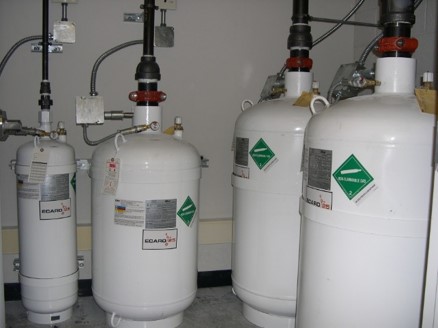
Some projects require specific agents based on legacy systems, operational constraints, or unique hazard conditions. SSI supports engineered clean agent solutions including ECARO-25 where it is the appropriate fit for the risk and the site.
Planning Note, Regulatory Awareness
Fire suppression planning should consider long term serviceability and regulatory stability, especially for facilities with long asset life cycles. SSI provides guidance to help you evaluate technology options and reduce future retrofit risk. For background on the U.S. HFC phasedown, see: EPA HFC reduction overview and the AIM Act educational resource from SSI.
Inert Gas Fire Suppression, Simple Agents for Sensitive Spaces
Inert gas systems use naturally occurring gases to reduce oxygen concentration in the protected enclosure, suppressing fire without residue. These systems are often selected for highly sensitive environments where cleanliness is paramount and water is not acceptable.
- Residue free suppression suitable for sensitive assets
- No chemical cleanup and no corrosive byproducts from the agent itself
- Engineered enclosure performance and verification planning are key to successful outcomes
Learn more: ProInert2 inert gas systems
CO2 Fire Suppression for Industrial Hazards
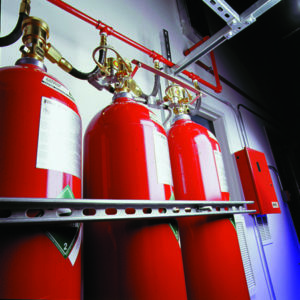
Carbon dioxide (CO2) systems deliver fast extinguishment for specific industrial hazards and are commonly used where the protected space can be controlled for personnel safety. CO2 requires careful design, safeguards, and procedures aligned with applicable standards and the authority having jurisdiction.
- Effective for certain industrial hazards when designed and applied correctly
- Engineered safeguards support safe operation in controlled environments
- Lifecycle support includes inspection, testing, maintenance, and recharge coordination
Explore: CO2 fire suppression systems from SSI
Documents: CO2 cylinder assembly data sheet | CO2 safety data sheet (SDS)
Water Mist and Hybrid Systems, Cooling Performance With Reduced Water Use
Water mist systems control fire through rapid cooling and heat absorption using finely atomized water. Compared to traditional sprinklers, water mist can use significantly less water for certain hazards, which can help reduce water damage and improve recovery time when water based suppression is the best fit.
Fike DuraQuench Pro, Pumped Water Mist
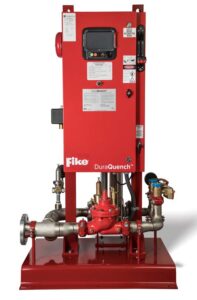
DuraQuench Pro is a pumped water mist solution that can support extended discharge based on system design and water supply, making it a strong option where cooling performance and duration matter.
Learn more: Fike DuraQuench Pro water mist systems
Fike MicroMist, Self Contained Water Mist
MicroMist is a self contained water mist system designed for machinery and enclosure hazards where a stand alone package is preferred. SSI engineers design nozzle layouts and controls to match the hazard and performance objectives.
Learn more: Fike MicroMist water mist systems
Victaulic Vortex, Hybrid Nitrogen and Water Mist
For certain sensitive or complex hazards, hybrid systems combine nitrogen with finely atomized water to deliver oxygen reduction and cooling performance together.

Learn more: Victaulic Vortex hybrid fire suppression
Automatic Cannons and Special Industrial Systems
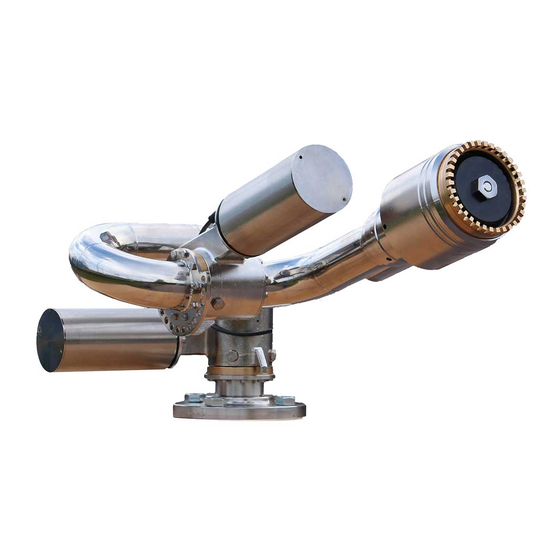
Some facilities require targeted suppression in large open spaces or harsh environments where fixed nozzle systems are not the best solution. Robotic fire monitors, also called automatic cannons, combine detection and precision aiming to apply agent directly to the hazard area.
- Fast targeting for pile fires and high challenge areas
- Scalable coverage for large bays and wide hazard zones
- Integration with detection and site procedures
Explore: Automatic cannon fire suppression systems
Engineering, Codes, and What Makes a System Actually Work
Special hazard fire suppression is not a commodity product. Performance depends on hazard classification, enclosure characteristics, detection strategy, and correct engineering of distribution and controls. SSI helps clients make the right selection and supports code compliant implementation.
- Hazard evaluation to match technology to fuels, heat release, and operational constraints
- Integrated detection and releasing coordinated with your facility needs
- Documentation and commissioning aligned with AHJ and insurer expectations
- Inspection, testing, and maintenance to keep protection reliable year after year
Helpful code references: NFPA codes and standards | OSHA | U.S. EPA
Service Area, East Coast Coverage With Fast Response
SSI is headquartered in Breinigsville, Pennsylvania, and supports projects and service calls throughout the Mid Atlantic, Northeast, and broader East Coast region. If your facility is within a practical response window from our base, we can typically support design, installation, and ongoing service with the speed industrial operations expect.
Common service coverage includes: PA, NJ, NY, MD, DE, VA, WV, OH, MA, CT, RI, NH, VT, ME.
Related SSI capabilities that strengthen fire suppression outcomes: Fire alarms and advanced detection | Industrial explosion protection
Why SSI
- Established expertise, serving industrial clients since 1983
- Turnkey execution, assessment, design, installation, commissioning, and service
- Integrated safety perspective, suppression, detection, and explosion protection under one team
- Service readiness, ongoing support to keep systems compliant and reliable
Request a Fire Suppression Assessment
If you are evaluating clean agents, inert gas, CO2, water mist, or automatic cannons, SSI will help you compare technologies side by side and select the best fit for your hazard, downtime tolerance, and compliance requirements.
Contact SSI for fire suppression design or service
Phone: 1-800-360-0687
Manufacturer and Supplier Resources
SSI works with leading manufacturers and supplier technologies used across special hazard fire protection programs. Explore product level information below.