
Home > Explosion Protection > Explosion Detection and Control > Explosion Protection Controllers (EPACO)
Explosion Protection Controllers (EPACO)
If suppression and isolation are the muscle, the controller is the decision-maker. In an active explosion protection system, the controller receives the first detection signal, verifies it, triggers mitigation devices, and sends shutdown interlocks, all in milliseconds.
At a glance
- Best for: dust collectors, silos, cyclones, filters, dryers, mills, conveyors, elevators, and connected ducting where rapid deflagration detection and automatic action are required
- What this page covers: controller architecture, detection inputs, shutdown logic, and practical integration details that buyers and engineers ask for
- SSI standard: SSI installs the Fike EPACO detection and control platform for active explosion protection
- Why it matters: a slow or poorly integrated control layer turns “active protection” into passive risk
Talk to an explosion protection specialist
Call 1-800-360-0687 or request a consultation. For the parent overview page, visit Explosion Detection and Control.
Jump to:
What it is | How it works | Detector inputs | EPACO modules | Integration and shutdown | Design considerations | Inspection and maintenance | FAQs | Downloads | Service area
What an Explosion Protection Controller Does
An explosion protection controller is the supervised control layer that continuously monitors detection devices and system health, then initiates a pre-engineered response when the earliest signature of a deflagration is detected.
In practical terms, it is the difference between “we have equipment installed” and “the system will actually actuate correctly during the first milliseconds of an event.”
What the controller typically commands
- Explosion suppression containers, where suppression is the chosen mitigation method
- Active explosion isolation devices to prevent flame and pressure propagation into connected equipment
- Process interlocks, shutdowns, slowdowns, and remote notifications
- Supervision and diagnostics, power, wiring, actuator continuity, and trouble states
How High-Speed Detection and Control Works
A deflagration escalates fast. The controller’s job is to turn early detection into a verified, automatic response sequence without delays caused by poor wiring practices, weak interlocks, or unclear zoning.
The response chain
- Detect, pressure rise or flame radiation is sensed at the protected zone
- Validate, controller logic confirms a release condition based on configured inputs
- Actuate, suppression and or isolation devices fire as designed
- Interlock, conveyors, fans, feeders, airlocks, and other process equipment receive shutdown or slowdown signals
- Annunciate and record, the event is logged, alarms are reported, troubleshooting is straightforward
Detector Inputs, Pressure and Optical
The controller is only as effective as the detection inputs. For explosion detection and control, the most common detection technologies include pressure-based sensors and optical flame detectors.
Pressure detection
Pressure detectors monitor for the earliest pressure change that indicates a deflagration is beginning inside the vessel. This approach is widely used for enclosed equipment like collectors and process vessels.
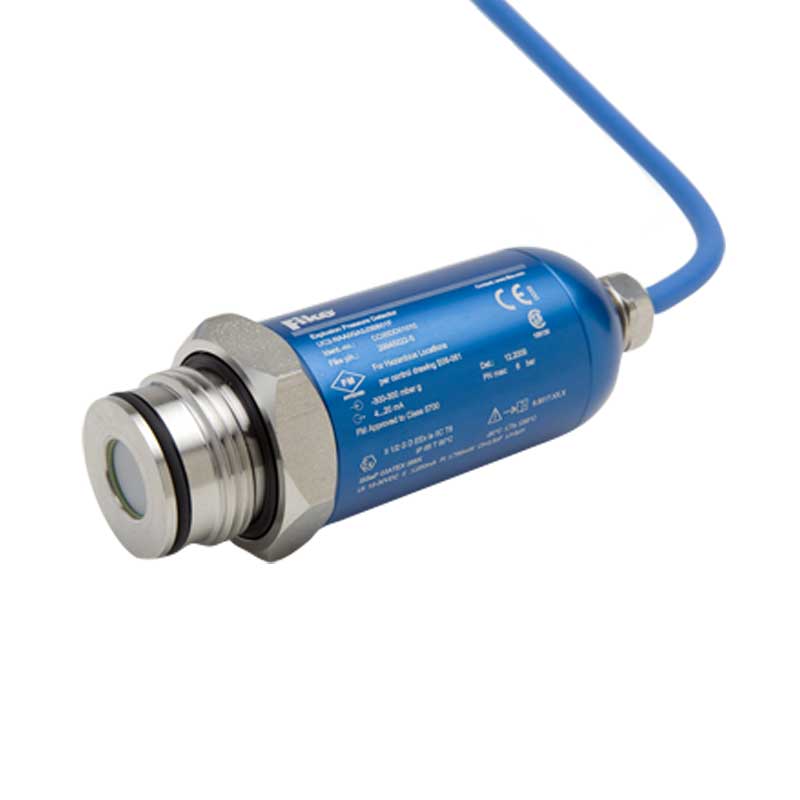
Typical applications include dust collectors, cyclones, filters, and vessels where pressure rise is a reliable early signature.
Optical detection
Optical detectors monitor for flame radiation signatures associated with a deflagration. They are commonly applied in ducting and larger volumes where optical line-of-sight placement is practical.
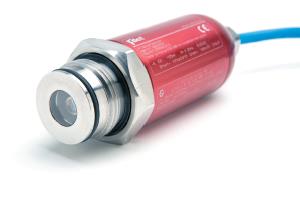
Typical applications include ductwork runs, conveyance lines, and interconnections where early flame detection provides the fastest trigger to isolation and shutdown.
EPACO System Modules, The Control Layer SSI Installs
SSI installs the Fike EPACO detection and control platform as the backbone for active explosion protection. EPACO is modular, meaning it can be configured for single hazards or expanded across multiple zones as your protection strategy grows.
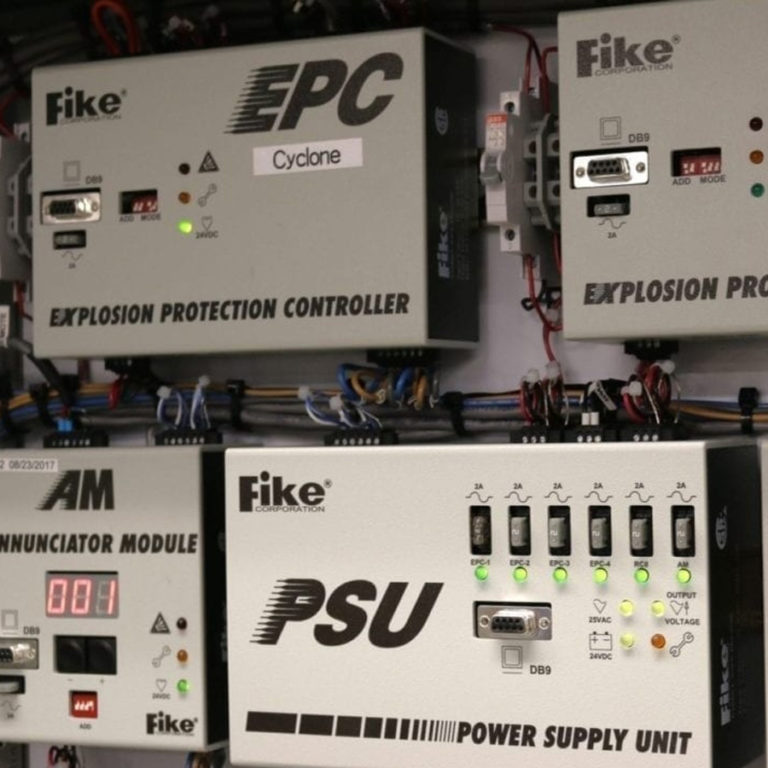
Core EPACO modules
- Controller, receives detector signals and triggers suppression and or isolation actuation
- Power supply, supervised power with battery backup capability for continuity during outages
- Annunciator interface, local status, history, and operational visibility without entering hazardous areas unnecessarily
- Relay cards, dedicated outputs for shutdowns, slowdowns, and remote alarm or trouble notifications
If you are evaluating the full detection and control category first, go back to: Explosion Detection and Control Systems.
Integration, Shutdown Logic, and What Engineers Miss
Most failures are not “the sensor did not work.” Most failures are integration failures, wrong zoning, incorrect interlocks, poor supervision, and shutdown logic that does not match the process.
Integration checklist for buyers
- Define zones by credible propagation paths, not by convenience
- Confirm which equipment must stop immediately, feeders, rotary airlocks, fans, diverters, and conveyors
- Verify actuator supervision and wiring supervision requirements in the final submittal
- Plan for safe reset and post-event procedures, including lockout and inspection requirements
- Confirm how events are logged, and how maintenance teams retrieve history during troubleshooting
Detection and control typically ties directly into these engineered protection layers: Explosion Suppression, Explosion Isolation, Spark Detection and Extinguishing, Explosion Venting.
Design Considerations That Affect Performance
You do not buy an “explosion controller” in isolation. You buy a response sequence designed around your dust behavior, your vessel, your interconnections, and your shutdown needs.
| Design factor | Why it matters |
|---|---|
| Dust severity and ignition sensitivity | Influences detection strategy, response speed requirements, and mitigation selection, start with testing when unknown |
| Equipment volume and geometry | Drives detector placement and whether pressure or optical detection is the most reliable early signature |
| Interconnections and propagation paths | Controls must trigger isolation and shutdown correctly, or the event travels into ducts, silos, and adjacent vessels |
| Operating mode and process interlocks | Shutdown logic must match how the system actually runs, including what can keep feeding fuel after an alarm |
| Power continuity and supervision | Active systems require reliable power and supervised circuits, plan for battery backup, trouble monitoring, and maintenance access |
If you are still building the compliance foundation, start with Dust Hazard Analysis (DHA) and Combustible Dust Testing.
Commissioning, Inspection, and Long-Term Reliability
Detection and control systems must be installed and maintained so the response sequence is predictable under real-world conditions. SSI provides turnkey design, installation, and ongoing service support.
- Commissioning that verifies correct zoning, actuation outputs, and shutdown interlocks
- Verification of supervised circuits and trouble reporting, so failures do not stay hidden
- Planned inspection and service intervals aligned with your facility expectations and applicable standards
- Service documentation that supports audits, insurers, and AHJ conversations
Standards and Authority References
Requirements vary by hazard, jurisdiction, and equipment. These references are commonly used when evaluating explosion prevention systems, dust fundamentals, and inspection expectations:
- NFPA 69, Standard on Explosion Prevention Systems
- NFPA 652, fundamentals of combustible dust
- NFPA 68, deflagration venting reference
- OSHA combustible dust resources
- FM Global standards and approvals resources
FAQs, Explosion Detection Controllers
What is the difference between detection and a controller?
Detection devices sense the earliest pressure or flame signature. The controller validates the input, triggers suppression and or isolation, sends shutdown outputs, supervises circuits, and logs events.
Is this the same as a fire alarm panel?
No. Fire alarm signaling is designed for notification and building response. Explosion detection and control is engineered for millisecond actuation of mitigation devices and process interlocks.
Do we need isolation if we already have suppression or venting?
Often, yes. Suppression or venting protects the vessel, isolation prevents propagation into connected ducts, other vessels, and the building. Start with your DHA and system interconnections, then engineer the right layers.
What information should we provide for a quote?
- Equipment list, volumes, and interconnections, including duct sizes and lengths
- Process flow paths and what equipment must shut down on alarm
- Dust test data if available, Kst, Pmax, MIE, MEC, plus any known material changes
- Site layout constraints, indoor venting limitations, occupied areas, and access considerations
- Authority expectations, AHJ, insurer requirements, corporate standards
Downloads, EPACO Component Data Sheets
These documents support specification and submittal review for detection and control system architecture. SSI can help interpret what matters for your application.
- Explosion Protection Controller (EPC), PDF
- Explosion Protection Power Supply (PSU), PDF
- Annunciator Module (AM), PDF
- Relay Card (RC8), PDF
- Ceramic Pressure Detector, PDF
- Optical Detector (IREx), PDF
Get an Engineered Control and Detection Plan
If you need a controller-driven explosion protection solution that actually works when milliseconds count, SSI can evaluate your hazards, design the zones, and integrate shutdown and mitigation correctly.
Call 1-800-360-0687 or request a consultation. For broader solution context, visit Industrial Explosion Protection.
Service Area
SSI supports industrial facilities across the East Coast and surrounding regions, with engineered project capability and ongoing service coverage within a practical 12-hour drive of Breinigsville, PA.
Common coverage includes Pennsylvania, New Jersey, New York, Maryland, Delaware, Virginia, West Virginia, Ohio, Massachusetts, Connecticut, Rhode Island, New Hampshire, Vermont, and Maine.
Related SSI Pages
- Explosion Detection and Control Systems
- Explosion Detection, The Critical First Step in the Race Against Time
- Explosion Suppression
- Explosion Isolation
- Dust Collector Explosion Protection, The Ultimate Guide
- Combustible Dust Testing
- Dust Hazard Analysis (DHA)
- Sales and Service

Suppression Systems Inc., 155 Nestle Way, Suite 104, Breinigsville, PA 18031
Toll Free: 1-800-360-0687
| Phone: (610) 709-5000
| Contact SSI