

How to Choose the Right Fire Alarm Control Panel
Most facilities do not have a fire alarm problem until expansion, service issues, nuisance alarms, or code upgrades expose it. This guide helps problem-aware and non-aware buyers understand what size fire alarm control panel they actually need, what features matter, and which Autocall platform fits best.
One minute answer: Choose your fire alarm panel based on building size, point count, future expansion, networking needs, suppression release requirements, and long-term serviceability, not just lowest installed cost.
For Autocall systems, the 4100ES usually fits large and complex facilities, the 4010ES fits mid-sized buildings, and the 4007ES or Foundation Series often fit smaller buildings and retrofit projects.
Jump to
Why panel selection matters
Signs your current panel may be the problem
Autocall panel comparison
Which panel fits which building
Why serviceability matters
Selection checklist
FAQs
Request a consultation
Why Fire Alarm Panel Selection Matters
The fire alarm control panel is the brain of the system. If it is undersized, hard to service, or poorly matched to the building, you pay for it later through expansion limits, higher labor costs, nuisance troubleshooting, and avoidable retrofit expense.
What the right panel should do
- Handle your current point count without pushing the system to its limit
- Support future additions, tenant changes, or campus growth
- Integrate cleanly with notification, suppression release, and other building systems
- Be simple enough to inspect, troubleshoot, and maintain over time
What goes wrong when it is chosen badly
- No room for expansion when the building changes
- Excess programming and labor cost to work around limitations
- Hard-to-diagnose loop issues and longer service visits
- Premature replacement because the original panel was too small or too rigid
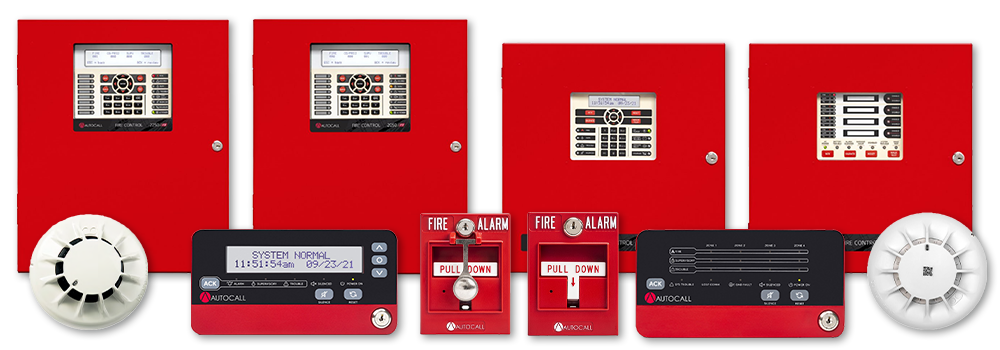
Signs Your Current Fire Alarm Panel May Be the Problem
Many facility teams search for a new fire alarm panel only after repeated friction. If several of these apply, your issue is probably not just maintenance, it may be a panel fit problem.
- You are out of addressable capacity, or close enough that every change becomes painful
- The building has grown, but the panel was sized for the original footprint only
- Troubleshooting takes too long because the panel does not help the technician work fast
- You are planning suppression release, mass notification, or campus networking that the current panel does not support well
- Retrofit work is complicated because the current architecture no longer fits the building
- The system works, but every change order feels like surgery
Autocall Fire Alarm Panel Comparison
Use this as the quick selection view. The right panel is usually obvious once you know the building scale, point count, and integration demands.
| Panel | Best for | Point range and strengths | Typical use cases |
|---|---|---|---|
| 4100ES | Large and complex facilities | Up to 2,500 addressable points, networking, suppression release, voice integration | Hospitals, universities, industrial campuses, multi-building environments |
| 4010ES | Mid-sized buildings | Up to 1,000 addressable points, modular expandability, networking with 4100ES | Schools, offices, mixed-use buildings, growing commercial sites |
| 4007ES | Small facilities and retrofits | Hybrid conventional and addressable approach, roughly 100 to 250 points | Small commercial buildings, targeted upgrades, retrofit-friendly projects |
| Foundation Series | Cost-sensitive small jobs | Conventional and addressable options up to about 250 points | Smaller jobs where simplicity, speed, and cost control matter |
Which Panel Fits Which Building
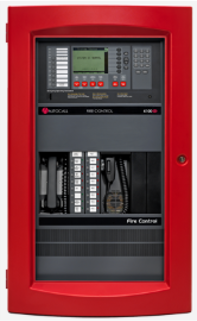
4100ES for large, complex facilities
The 4100ES is the right direction when your facility is big enough that future changes are guaranteed, not hypothetical. It supports large point counts, networked buildings, and higher-end functions like integrated suppression release and voice evacuation.
- Best when one panel must support campus-level complexity
- Strong fit for hospitals, universities, industrial sites, and large campuses
- Best choice when “room to grow” is not optional
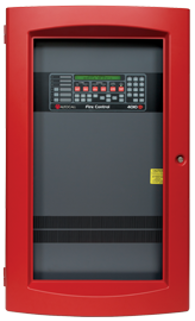
4010ES for mid-sized buildings
The 4010ES fits facilities that need solid addressable capacity and modular growth, but do not need the full size and complexity of the 4100ES. It works well for schools, offices, and mixed-use buildings where future expansion is likely.
- Good balance of capacity, modularity, and serviceability
- Networking path to larger Autocall systems when needed
- Often the right answer when the building is growing but not campus-scale yet
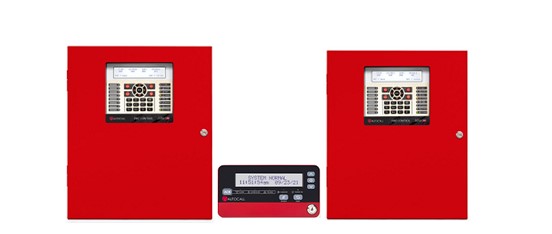
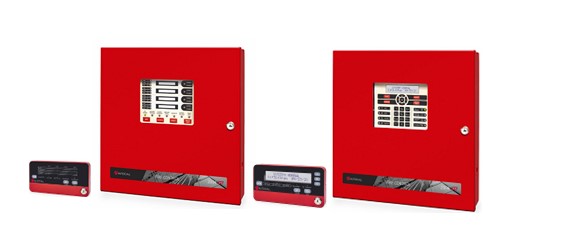
4007ES and Foundation for smaller jobs
If the building is smaller, the point count is controlled, or the project is a targeted retrofit, the 4007ES and Foundation Series are often the smarter choice. They reduce complexity while still giving you modern, reliable control.
- Strong fit for smaller commercial facilities and retrofit work
- Hybrid and simplified options can lower installation friction
- Good when the project needs speed and practicality more than scale
When cost sensitivity is real
Some projects do not need a big platform. They need reliable protection, manageable installation, and a system that does not overbuild the job. That is where smaller Autocall options make sense.
- Useful for budget-sensitive projects and straightforward layouts
- Better than forcing a large system into a small-scope project
- Still supports long-term serviceability when chosen correctly
Why Serviceability Matters More Than Most Buyers Think
Most owners focus on hardware. The smarter buyers focus on what the hardware costs to live with for the next ten years. That is where Autocall’s serviceability features start to matter.
- TrueStart II Meter: helps identify opens, shorts, and ground faults faster, reducing troubleshooting time.
- Self-testing sensors and “almost dirty” alerts: help reduce nuisance alarms and support proactive maintenance.
- Pre-assembled modular enclosures: help simplify installation and reduce labor on many projects.
The hidden cost of the wrong panel is labor.
A panel that is hard to diagnose, hard to expand, or hard to service becomes an ongoing operating cost. Buyers who ignore that end up paying for the cheaper choice over and over.
Fire Alarm Control Panel Selection Checklist
Use this before you request a quote. It will get you a better recommendation, faster, and reduce the odds of choosing a panel that will be undersized by the time the project is complete.
Building and system basics
- Building size and occupancy type
- Current and projected addressable point count
- Single building or networked campus
- Retrofit project or new construction
Integration needs
- Voice evacuation or mass notification requirements
- Suppression release needs
- Building system interfaces and monitoring expectations
- Service and diagnostics priorities
What to ask SSI
- How much room for expansion should we design in now
- Which panel keeps long-term service simpler
- How will this integrate with suppression or future upgrades
- What is the cleanest code-compliant path for this building
Frequently Asked Questions
What size fire alarm control panel do I need?
It depends on point count, building complexity, future expansion, and whether you need networking, suppression release, or voice integration. Panel size should be based on the building’s likely lifecycle, not just today’s device count.
What is the difference between the 4100ES and 4010ES?
The 4100ES is designed for larger, more complex facilities and higher point counts. The 4010ES is a strong fit for mid-sized buildings that still need expansion and networking options without the full scale of the 4100ES.
When does a 4007ES make sense?
The 4007ES is often the right choice for smaller facilities and retrofit projects where a hybrid conventional and addressable solution makes the project more practical and cost-effective.
When should I replace a fire alarm panel instead of keep patching it?
When the system has no room to grow, changes are becoming expensive, serviceability is poor, or the building’s needs now exceed the architecture the panel was originally chosen for.
Talk to SSI About the Right Autocall Panel
SSI designs, installs, programs, and services Autocall systems for facilities across the East Coast. If you are planning a panel replacement, expansion, retrofit, or new installation, we can help you choose the right platform before cost and complexity get out of control.
Request an Autocall panel consultation
Contact SSI or call 1-800-360-0687.
Related pages: Autocall Fire Alarm Panels, Fire Suppression Systems