
DuraQuench Pro Water Mist Design Checklist
If you are evaluating a pumped, intermediate-pressure water mist fire suppression system for high-value assets or challenging enclosures, this page gives you a practical, engineering-first checklist you can use to spec, compare, and request a quote without missing critical details.
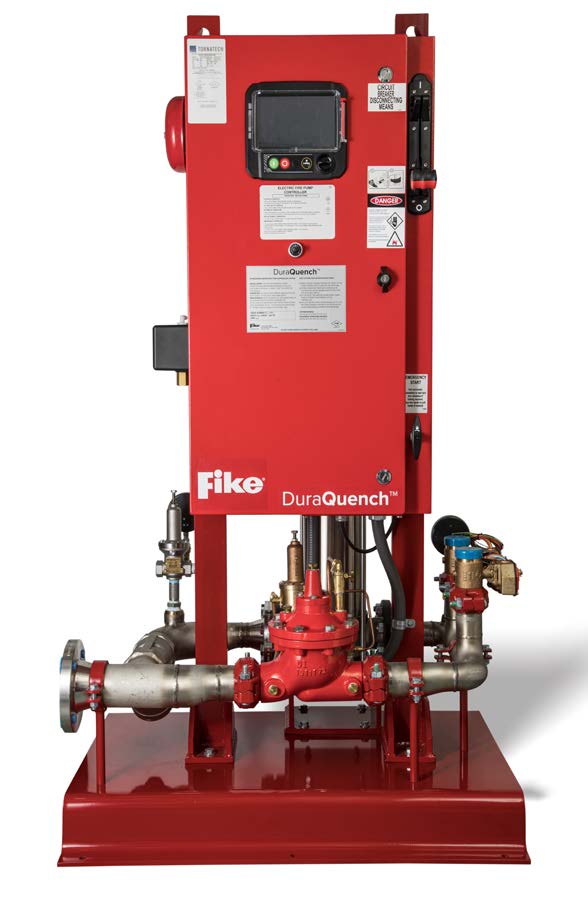
In plain terms, DuraQuench Pro is a pumped water mist system designed to deliver targeted, fine water droplets through engineered nozzles to rapidly suppress a fire while using significantly less water than traditional sprinklers in many special-hazard applications.
This guide helps you answer the questions buyers actually search: How does water mist compare to sprinklers, what does the pump skid do, what data do you need for design, and what does commissioning really require.
Jump to
When water mist is the right fit
Design and spec checklist
Quote request worksheet
FAQ
Downloads
Already in solution mode
If you want the product overview first, use the main page: Fike DuraQuench Pro. If you are comparing options, see: Specialty Water Suppression Systems.
When Water Mist Is the Right Fit
Water mist tends to be a strong option when you need fast suppression in a special hazard, you want to limit secondary damage in sensitive environments, or your space makes traditional sprinkler layouts inefficient.
Good fit signals
- High-value equipment where you want strong knockdown without large water discharge.
- Enclosures and machinery spaces that benefit from targeted nozzle coverage.
- Industrial hazards where rapid suppression helps reduce escalation risk.
- Facilities optimizing downtime, cleanup time, and business interruption exposure.
Red flags to address early
- Unclear hazard definition, no fuel, ignition, and airflow profile.
- Unknown enclosure leakage, ventilation rates, or open pathways.
- Unverified freeze risk, water supply constraints, or pump room limitations.
- No plan for detection, releasing logic, acceptance testing, and ongoing inspection.
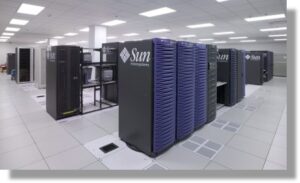
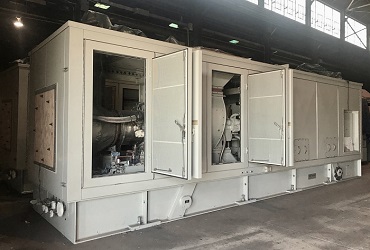
Real-world application categories commonly evaluated for water mist include data centers and critical rooms, turbine enclosures, and museums or archives where you want to reduce collateral damage while maintaining effective suppression.

Design and Spec Checklist
Use this as a water mist system design checklist for scoping, engineering, and procurement. You will avoid the common trap, focusing on hardware first, and discovering later that the enclosure details, detection logic, or water supply make the initial concept unworkable.
1) Define the hazard and performance objective
- Hazard type, electrical, mechanical, flammable liquid spray, cable, transformer, machinery space, or mixed fuels.
- Primary goal, rapid suppression, control, exposure protection, or preventing escalation.
- Fire scenarios, credible ignition sources, airflow paths, obstructions, and fuel loading.
- Code basis, confirm your authority having jurisdiction expectations early.
2) Document the enclosure and layout realities
- Room or enclosure dimensions, ceiling heights, and compartmentation.
- Openings, ventilation rates, louvers, doors, cable penetrations, and leakage paths.
- Equipment arrangement, obstruction maps, and access requirements for maintenance.
- Environmental constraints, temperature ranges, freeze risk, corrosion, contaminants.
3) Establish water supply and pump skid requirements
- Supply source, tank, municipal, dedicated reservoir, or integrated supply strategy.
- Duration expectations, how long the system must sustain discharge for your objective.
- Available pressure, flow constraints, and space planning for skid placement and service access.
- Power requirements, emergency power considerations, and supervisory monitoring needs.
The pump skid is not a generic accessory, it is a central part of system performance. A clean scope includes controls, supervision, testing approach, and integration points.
4) Engineer nozzle placement and piping layout
- Targeted coverage zones, nozzle types, spacing, and obstruction strategy.
- Piping materials, routing constraints, seismic considerations if applicable, and serviceability.
- Drainage, corrosion prevention, and water quality considerations that impact long-term reliability.
- Access for inspection, testing, and component replacement.
5) Detection, releasing logic, and safety interfaces
- Detection strategy, smoke, heat, flame, air sampling, or multi-criteria as appropriate for the hazard.
- Releasing logic, single-zone, cross-zone, verified detection, and manual release.
- Pre-discharge actions, equipment shutdown, ventilation control, door closures, and alarms.
- Supervision and annunciation requirements through your fire alarm system.
6) Commissioning, acceptance testing, and lifecycle plan
- Acceptance test scope and pass criteria, aligned with project requirements and code.
- As-built documentation, training, and turnover package expectations.
- Inspection, testing, and maintenance schedule planning, parts strategy, and service access.
- Operational playbook, what happens on alarm, release, and post-event restoration.
Standards and design references
Water mist system design is commonly guided by NFPA 750. Detection and alarm integration is commonly addressed under NFPA 72. Pump and water supply planning often involves additional applicable standards depending on your project scope and authority having jurisdiction requirements.
Quote Request Worksheet
If you want a quote that is accurate the first time, provide these details up front. This prevents weeks of back-and-forth and eliminates the classic pricing surprises that happen when key scope items surface late.
- Site and project, facility location, project timeline, and whether this is retrofit or new construction.
- Protected area, drawings, dimensions, ceiling heights, openings, and ventilation details.
- Hazard description, equipment type, fuels present, and credible ignition sources.
- Detection and controls, existing fire alarm brand and panel, releasing requirements, shutdown interfaces.
- Water supply, available source, constraints, freeze risk, and space for skid placement.
- Operational needs, uptime requirements, shutdown tolerance, and maintenance access constraints.
Prefer phone, call 800-360-0687.
DuraQuench Pro Water Mist FAQ
Is water mist the same as a sprinkler system?
No. Sprinklers typically discharge larger droplets at higher flow rates across a broader area. Water mist systems use engineered nozzles to produce finer droplets and are often applied in special hazards where targeted suppression and reduced water discharge are priorities.
What does the pump skid do?
The pump skid provides the pressure and flow profile needed to deliver water mist through the engineered nozzle network, and it typically includes controls, supervision, and test features that support reliable system operation and code-compliant monitoring.
Does water mist reduce water damage?
In many special-hazard scenarios, water mist can reduce total water discharge compared with traditional sprinklers, which can help reduce secondary damage and cleanup time. Your actual outcome depends on hazard, duration, and enclosure conditions, so it should be engineered, not assumed.
How do I know if water mist or clean agent is better?
If your priority is minimal residue and a gaseous solution in a well-sealed enclosure, clean agent can be a strong fit. If you need a water-based approach with engineered mist delivery for certain hazards and spaces, water mist can be a better match. The fastest way to decide is to define the hazard, enclosure leakage, ventilation, and operational constraints, then compare solution performance and lifecycle implications.
If you want SSI to validate fit quickly, send a drawing and a one-paragraph hazard description through the contact form.
Downloads and Technical Resources
Use these official resources to share internally and speed up approvals.
Need help comparing specialty water options, see: Specialty Water Suppression Systems .
Ready to scope a DuraQuench Pro water mist system?
Send drawings, hazard details, and operational constraints, SSI will help you confirm fit and define an efficient path to design, installation, and lifecycle service.
Talk to an SSI SpecialistPhone: 800-360-0687
 Authorized solutions and support through SSI.
Disclaimer: This page is a planning and scoping aid. Final system selection, design, and code compliance should be completed by qualified professionals and approved by the authority having jurisdiction.