
Home > Sales & Service > Fire Alarms & Detection

Fire Alarms & Detection Systems for Industrial and Special Hazards
Early detection saves time, limits damage, and protects people. Suppression Systems, Inc. (SSI) designs, installs, and services code-compliant fire alarm and advanced detection systems that help industrial facilities identify fire conditions quickly and coordinate the right response, including notification, suppression releasing, and emergency communications support.
Headquartered in Breinigsville, PA, we support customers across Pennsylvania and the East Coast, including many facilities within a practical 12 hour service radius. If your operations include high-value equipment, combustible dust risks, flammable liquids, critical infrastructure, or complex multi-building sites, your detection strategy should be engineered, documented, and maintained, not improvised.
At a Glance
- Turnkey support from design and installation to inspection, testing, maintenance, and troubleshooting.
- Industrial-grade detection options including early warning smoke detection, flame detection, thermal imaging, and specialty Li-ion off-gas monitoring.
- Integrated releasing and notification for special hazard suppression systems and facility evacuation requirements.
- Documentation that holds up for AHJs, insurers, and internal safety audits.
- Regional responsiveness for facilities across the Mid-Atlantic and Northeast.
What SSI Provides
Fire Alarm System Design, Installation, and Service
A fire alarm system is only as reliable as its design assumptions, installation quality, and long-term maintenance. SSI supports new construction and retrofit projects, including multi-tenant, multi-building, and industrial environments where nuisance alarms, harsh conditions, or complex workflows are common.
- Engineering and layout aligned to your hazard profile, occupancy, and operational priorities.
- Installation and commissioning with clear acceptance documentation.
- Inspection, testing, and maintenance to help sustain reliability over the full lifecycle.
- Service and troubleshooting to reduce downtime when faults occur.
Advanced Detection for High-Consequence Environments
Standard smoke detection is not always the right tool for industrial hazards. SSI can deploy advanced detection technologies designed to improve time-to-detect, reduce false activations, and provide better awareness in challenging conditions.
- VESDA (Very Early Smoke Detection Apparatus) for early warning in clean, critical, or sensitive environments.
- Industrial thermal imaging for heat signature monitoring where traditional detection is limited.
- Optical flame detection for faster recognition of flame events in applicable hazards.
- Li-ion Tamer style off-gas monitoring for certain battery risk strategies (application dependent).
- Video imaging detection (VID) options where site conditions and code pathways support it.
Releasing and Control Integration for Special Hazards
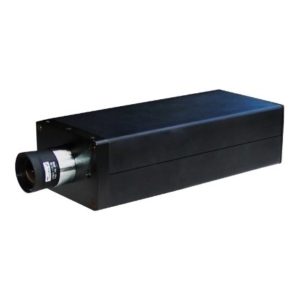
For special hazards, detection often needs to do more than signal an alarm. It may need to release suppression, manage shutdown sequences, coordinate signals to building systems, and support post-event verification. SSI supports integration strategies that prioritize both life safety and operational continuity.
Platforms and Manufacturers We Support
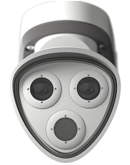
SSI supports multiple platforms so your system can match the hazard, the AHJ expectations, and the lifecycle service plan. The right platform is the one that is correctly engineered for your site and maintainable for years, not the one with the loudest brochure.
- Autocall systems, including addressable panels and integrated building information solutions.
- Fike fire alarm and releasing solutions for detection, control, and special hazard interfaces.

Public Safety Communications Support
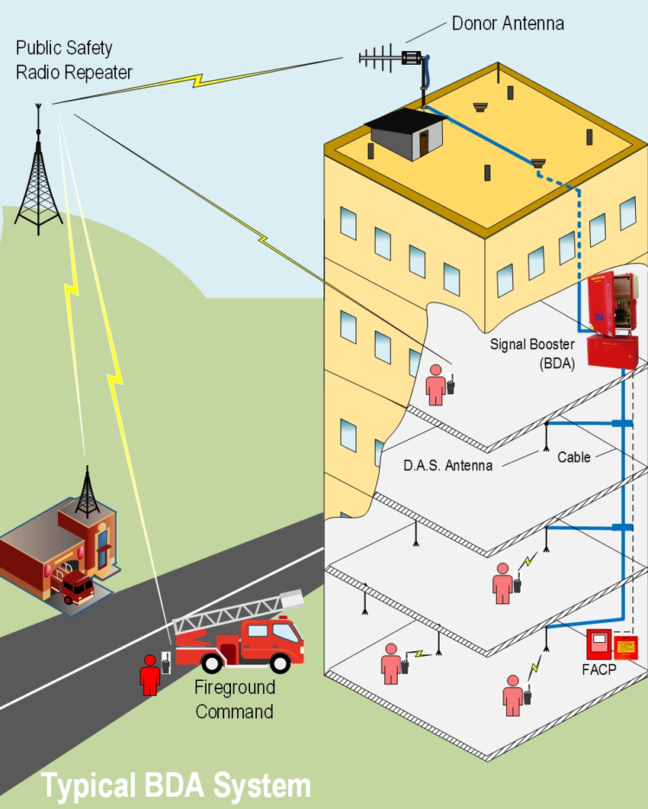
Some facilities require in-building radio coverage support for first responders. SSI provides Bi-Directional Amplification (BDA) system support as part of an overall life safety strategy, especially for large buildings, challenging structures, or sites with known signal limitations.
Codes, Standards, and Why They Matter
Fire alarm and detection systems are regulated for a reason: inconsistency creates risk. SSI designs and maintains systems with code pathways in mind, then backs that up with documentation that supports AHJ review and ongoing compliance.
- Fire alarm and signaling concepts commonly align with NFPA 72.
- Electrical work commonly aligns with NFPA 70 (NEC).
- Building and fire code adoption often references the International Fire Code (IFC) model language.
- Product and listing considerations may reference standards like UL fire alarm system listings (application dependent).
- Workplace safety frameworks can involve OSHA requirements for hazards, training, and safe operations.
Note: code applicability varies by jurisdiction and authority having jurisdiction (AHJ). SSI helps translate requirements into a practical, maintainable system strategy.
Where These Systems Are Commonly Used
- Industrial facilities with dust, heat, process hazards, or high equipment density.
- Critical infrastructure where downtime is expensive and detection speed matters.
- Warehousing and logistics with large footprints and complex evacuation planning.
- Battery and electrical rooms where early warning options may be part of the plan.
- Special hazard rooms protected by clean agents, CO2, water mist, or other engineered suppression.
How SSI Approaches Fire Alarm and Detection Projects
- Site and hazard review to understand fuels, ignition likelihood, operations, and downtime constraints.
- System strategy that matches detection technology to conditions, including nuisance-alarm risk and environmental factors.
- Design documentation built for AHJ review, installation clarity, and long-term serviceability.
- Commissioning and acceptance support with clear test outcomes and next-step recommendations.
- Lifecycle service so your system stays reliable, auditable, and ready.
Frequently Asked Questions
Can SSI integrate fire alarm detection with special hazard suppression?
Yes. Many special hazard suppression strategies depend on reliable detection, releasing logic, and clear notification. SSI supports integrated approaches where applicable, including coordination between detection, releasing panels, and site-specific shutdown or notification requirements.
What detection options help reduce nuisance alarms in industrial environments?
The right answer depends on your conditions. Facilities with dust, temperature swings, or process byproducts may benefit from alternative detection technologies and better placement strategies. SSI helps select detection methods that align with the hazard and code pathway.
Do you provide inspection, testing, and maintenance?
Yes. Ongoing inspection, testing, and maintenance is a core part of keeping systems compliant and dependable. SSI provides service support to help keep your systems ready and your records defensible for audits and AHJ review.
Related SSI Safety Solutions
Many facilities need integrated protection across multiple hazard categories. These pages help you compare approaches and build a complete strategy.
- Fire Suppression Systems
- Industrial Explosion Protection
- Bi-Directional Amplification (BDA) Systems
- Special Hazard System Design Considerations
- Fire and Explosion Protection FAQs
- Contact SSI
Talk With SSI
If you are evaluating fire alarm upgrades, advanced detection options, or integrated releasing for a special hazard system, SSI can help you determine the most defensible, maintainable path forward for your facility and jurisdiction.
Request a consultation: Contact SSI
Prefer to call: 1-800-360-0687